Nothing seems to strike fear into the hearts of homeowners like the word 'termite'. And no wonder. Termites do more damage to homes each year than all fires, storms and earthquakes combined. That's impressive. Add to the problem the fact that they operate in such a way as to be virtually undetectable to all but a very trained eye, and the fears become somewhat understandable. Well, 'knowledge is power'. Let's find out a little bit about these notorious little chompers..

Excellence
in Exterminating
since 1980
in Exterminating
since 1980
Current Topics
Spring 2026
» Not just a winter problem anymore. Mice! [more]
» LADY BUGS! (asian ladybird beetles) When spring arrives, these little pests will be emerging from their winter nap. Lady bugs... [more]
» STINK BUGS! What's with these things? [more]
» CARPENTER BEES! In recent years, we've seen a major influx of carpenter bees in the northeast. As the weather gets warmer, pest control companies will be fielding calls daily... [more]
Pest Tips and Facts

- carpenter ants do more damage than termites... and faster, too!
- insect damage is not covered by homeowner insurance.
Termites
» TERMITE TRAP
by Tom Philbin
(reprinted from Readers Digest - March 2007)
» THE RIP-OFF
Myths about termites abound. In a recent survey by the University of Kentucky, 60 percent of people thought termites could take a house down in six months or less. Nothing could be further from the truth, yet con artists use this fear to pressure homeowners into quickly signing on the dotted line for unnnecessary or shoddy work that could cost up to $3,000.
» THE REALITY
By arming yourself with a few facts, you'll be able to ask informed questions and avoid a scam.
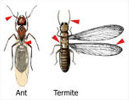
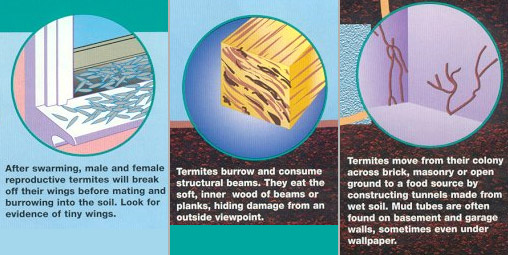
The most common termite in the United States is the subterranean, of which there are two main kinds: workers and swarmers, or winged termites. The workers hollow out the wood, while swarmers mate and create new colonies. Termites live underground and burrow through soil until they find wood or woodlike products, and water. To get into your house they'll often build moist, earthen tunnels across foundations to your home's lower frames, a clear sign of infestation.
Wood that's been damaged by termites is hollowed out along the grain, with bits of dried mud or soil lining the feeding galleries. Be wary of exterminators showing you termites on wood piles or fences unconnected to your house: This may be a scam. You have a problem only if there's evidence of termites inside the house or close to the foundation.
MY RESPONSE I agree 100 percent with all of the above! Some things you should know about AAA Pest Control, Inc. when you need an exterminator:
- Over 40 years experience exterminating termites.
- Never a negative report to the Better Business Bureau - A+ Rating
- Never an insurance claim or court action.
We rely solely on Termidor SC in the treatment of termites. We have not had to re-treat a single home since we began using this termiticide! Click the image below to learn more about this amazing product.